

How to Choose the Right Rough Terrain Forklift for Construction Sites
Release time: 2026-02-24
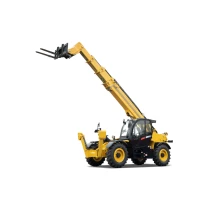
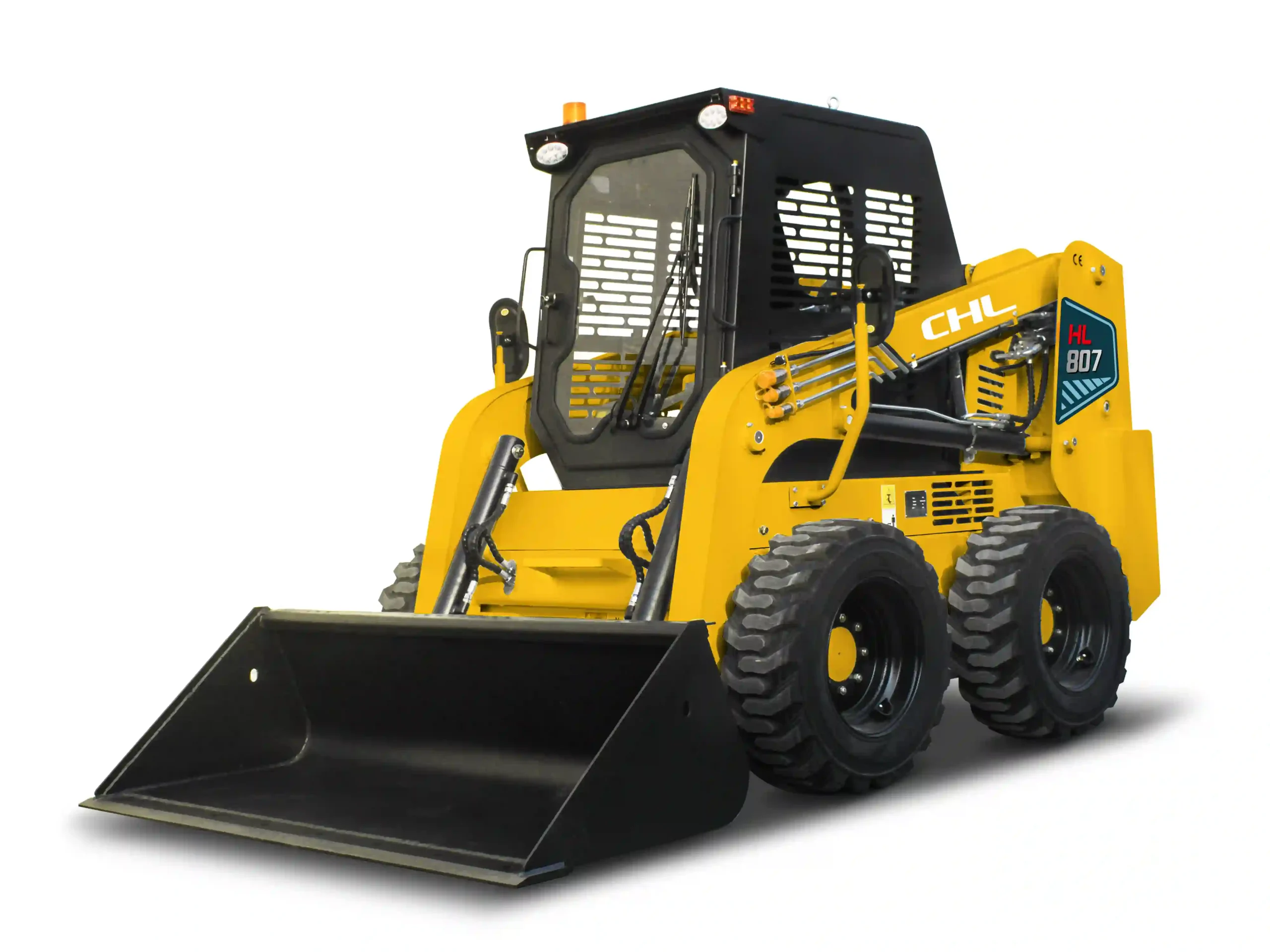
Construction sites present unique challenges for material handling. Uneven surfaces, gravel, mud, and heavy loads demand specialized equipment. Choosing the right empilhadeira para terrenos acidentados can improve efficiency, enhance safety, and reduce downtime on your construction site. This guide will walk you through the key factors to consider when selecting a forklift for rugged outdoor environments.
Índice
1. Understand Your Load Requirements
Before choosing a forklift, determine the maximum weight and size of materials you need to lift and transport. Rough terrain forklifts come in various load capacities — from small 2-ton models to larger 10-ton machines. Selecting the right capacity ensures safety and prevents overloading, which can lead to accidents or equipment damage.
2. Consider Terrain and Ground Conditions
Construction sites often have uneven terrain, dirt roads, gravel, or slopes. Look for forklifts with:
- Pneumatic or foam-filled tires for better traction.
- High ground clearance to avoid getting stuck or damaging the undercarriage.
- Four-wheel drive for stability on loose or muddy surfaces.
The terrain type will largely determine which model is suitable for your site.
3. Evaluate Lift Height and Reach
Depending on your project, you may need to lift materials to elevated platforms or over obstacles. Consider:
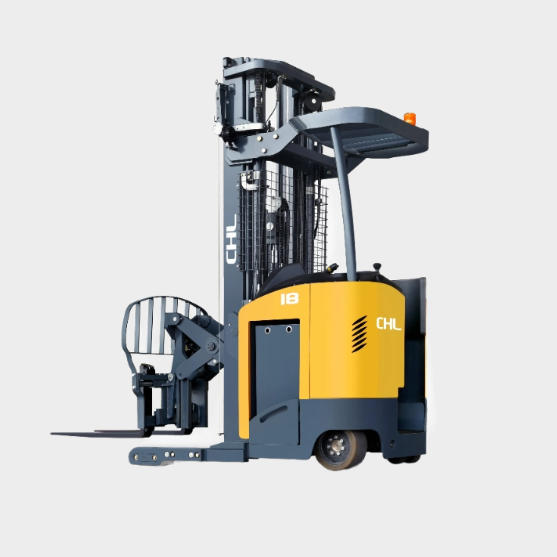
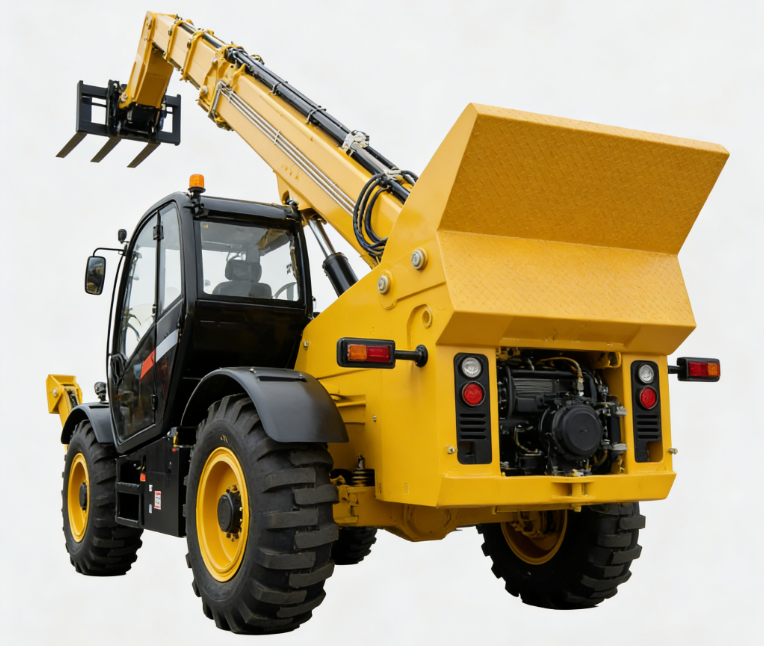
- Mast type (standard, duplex, or telescopic).
- Maximum lift height required for your operations.
- Forward reach capabilities, especially for loading/unloading trucks or placing materials at heights.
Choosing a forklift with the proper reach ensures efficiency and prevents operational delays.
4. Check Engine Type and Power
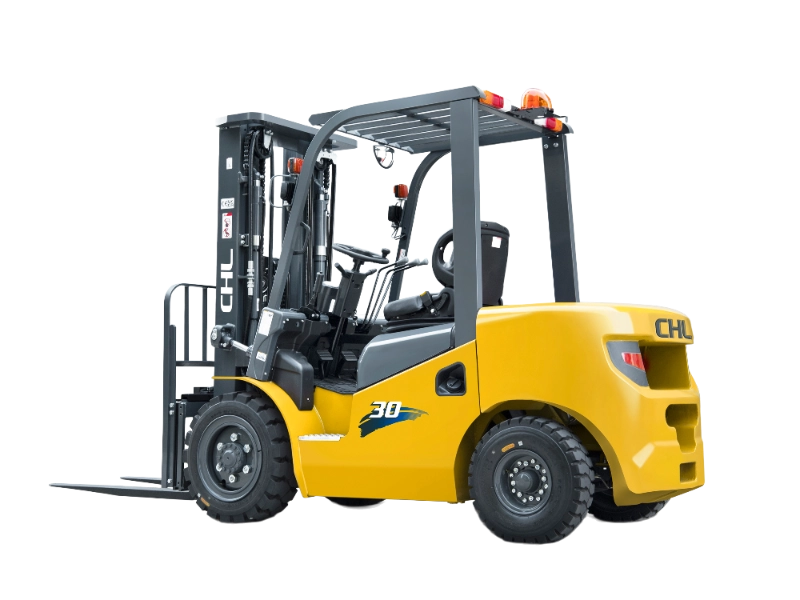
Rough terrain forklifts can be powered by diesel, gasoline, or LPG engines. For construction sites, diesel engines are usually preferred because they provide:
- Greater torque for lifting heavy loads.
- Better fuel efficiency for long working hours.
- Reliability in harsh outdoor conditions.
5. Prioritize Safety Features
Safety is critical on construction sites. Look for forklifts that include:
- Operator cabins or cabs for protection from weather and debris.
- Stability systems to prevent tipping on uneven ground.
- Load sensors and alarms to alert operators if they exceed safe limits.
Operator comfort also reduces fatigue and helps maintain productivity over long shifts.
6. Consider Maintenance and Durability
Rough terrain forklifts endure challenging conditions. Choose models that are:
- Durable and well-built, with reinforced frames.
- Easy to maintain, with accessible components for routine inspections.
- Supported by reliable after-sales service for replacement parts and repairs.
Conclusão
Selecting the right rough terrain forklift for construction sites requires careful consideration of load capacity, terrain adaptability, lift height, engine power, safety features, and durability. By evaluating these factors, you can choose a forklift that improves efficiency, ensures operator safety, and stands up to the demands of rugged outdoor work.
For high-quality rough terrain forklifts suitable for all construction needs, visit CHL Rough Terrain Forklift to explore our latest models.