

Key Specifications to Consider When Buying a Heavy Duty Forklift
Release time: 2026-01-30
Investing in a chariot élévateur robuste is a critical decision for any business involved in warehousing, construction, or industrial operations. Choosing the right forklift not only improves efficiency but also ensures safety and reduces maintenance costs. In this article, we’ll explore the key specifications to consider when buying a heavy duty forklift, helping you make an informed decision.
Table des matières
1. Load Capacity
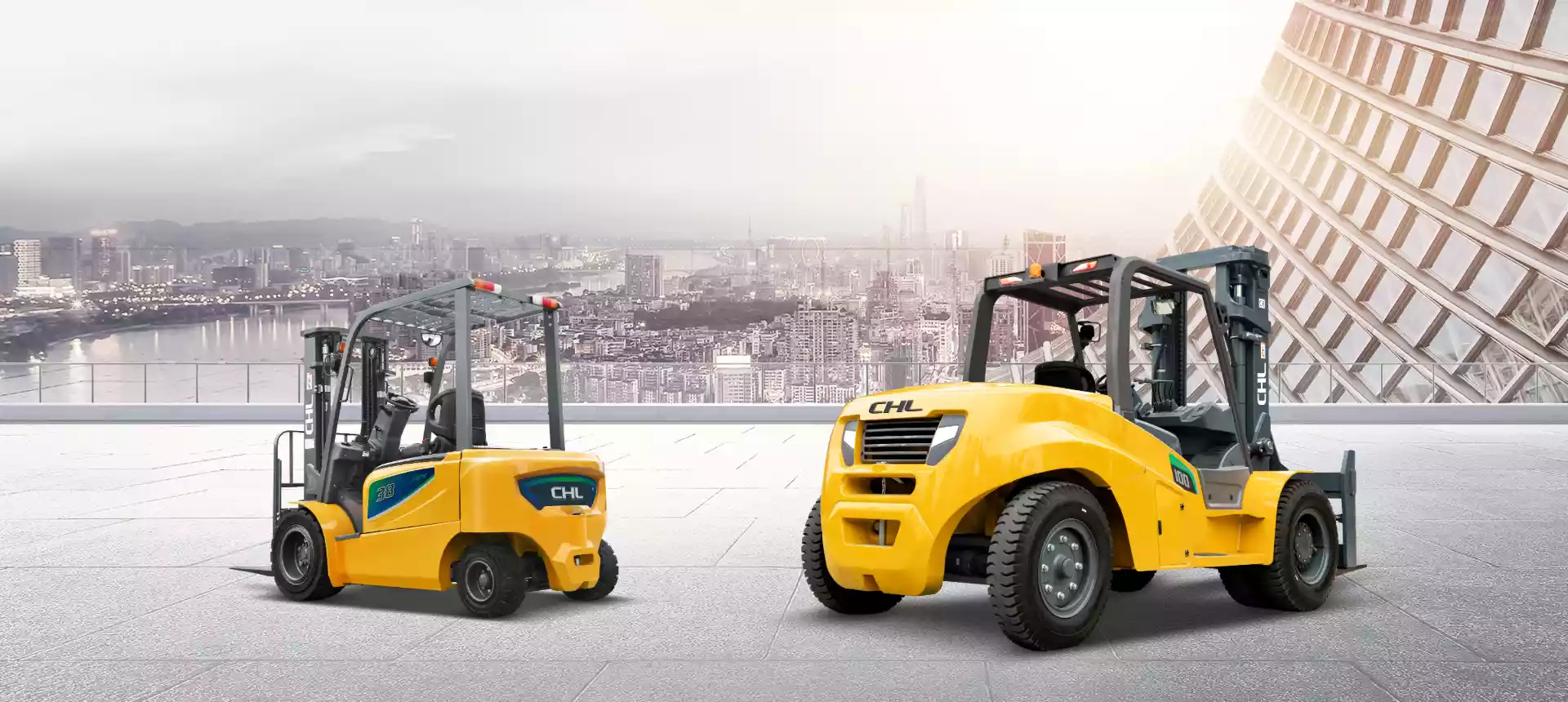
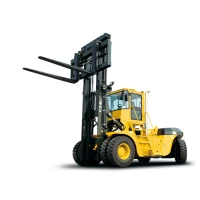
The load capacity is one of the most important specifications when selecting a heavy duty forklift. It refers to the maximum weight the forklift can lift safely. For heavy lifting tasks, consider a CHL 20-46 ton IC Heavy Duty Forklift, which is designed to handle extremely heavy loads with stability and reliability.
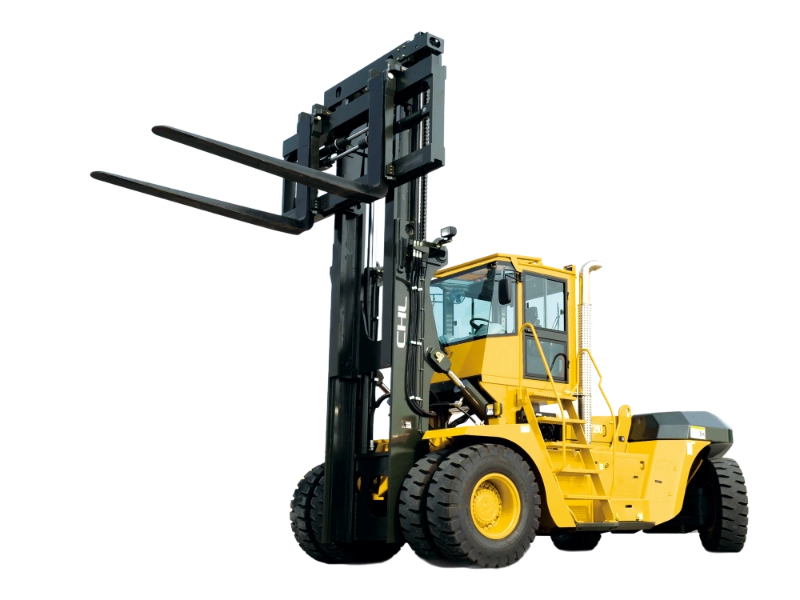
Tip: Always consider the capacity at maximum lift height, as lifting heavy loads higher reduces stability.
2. Lift Height
Lift height determines how high a forklift can raise a load. Depending on your warehouse or worksite layout, you may need a forklift capable of reaching tall racks or shelving units. Heavy duty forklifts often provide adjustable mast heights to handle a variety of tasks.
3. Engine Type
Heavy duty forklifts come with various engine types, including diesel, LPG (liquefied petroleum gas), and electric models. Each has advantages and limitations:
- Diesel forklifts: Ideal for outdoor use and rough terrain, offering high power and durability.
- LPG forklifts: Suitable for both indoor and outdoor operations, with cleaner emissions than diesel.
- chariots élévateurs électriques: Eco-friendly, low noise, and low maintenance, ideal for indoor applications.
Choose the engine type based on your operational environment, fuel availability, and emission regulations.
4. Tire Type
The type of tires on a forklift affects maneuverability, stability, and suitability for different surfaces. Heavy duty forklifts typically use pneumatic tires for rough outdoor terrain or cushion tires for smooth indoor floors. Selecting the right tires ensures better traction, safety, and longer lifespan.
5. Forklift Dimensions and Turning Radius
Before purchasing, consider the overall dimensions and turning radius of the forklift. In tight warehouse aisles, a forklift with a smaller turning radius is advantageous for efficient navigation. Also, check the forklift’s width and height to ensure it fits through doors and other obstacles.
6. Safety Features
Safety should never be overlooked. Look for forklifts equipped with features like:
- Overhead guard protection
- Load backrest extension
- Stability control systems
- Warning alarms and lights
A forklift with advanced safety features reduces workplace accidents and improves operator confidence.
7. Maintenance and Warranty
Heavy duty forklifts require regular maintenance to ensure long-term performance. When buying a forklift, check:
- Availability of spare parts
- Ease of service and maintenance
- Manufacturer’s warranty and support
Choosing a reliable brand with good after-sales support minimizes downtime and repair costs.
Conclusion
When buying a heavy duty forklift, focusing on load capacity, lift height, engine type, tires, dimensions, safety features, and maintenance will help you select the right machine for your operations. For very heavy tasks, a Heavy Duty Forklift Truck can handle the most demanding industrial loads efficiently. Making an informed choice ensures efficiency, safety, and cost savings in the long run. with advanced design and quality components, meeting the demanding requirements of large-scale industrial operations.
Ready to find the best heavy duty forklift for your operation? Explore our full product selection and contact us for professional guidance.