


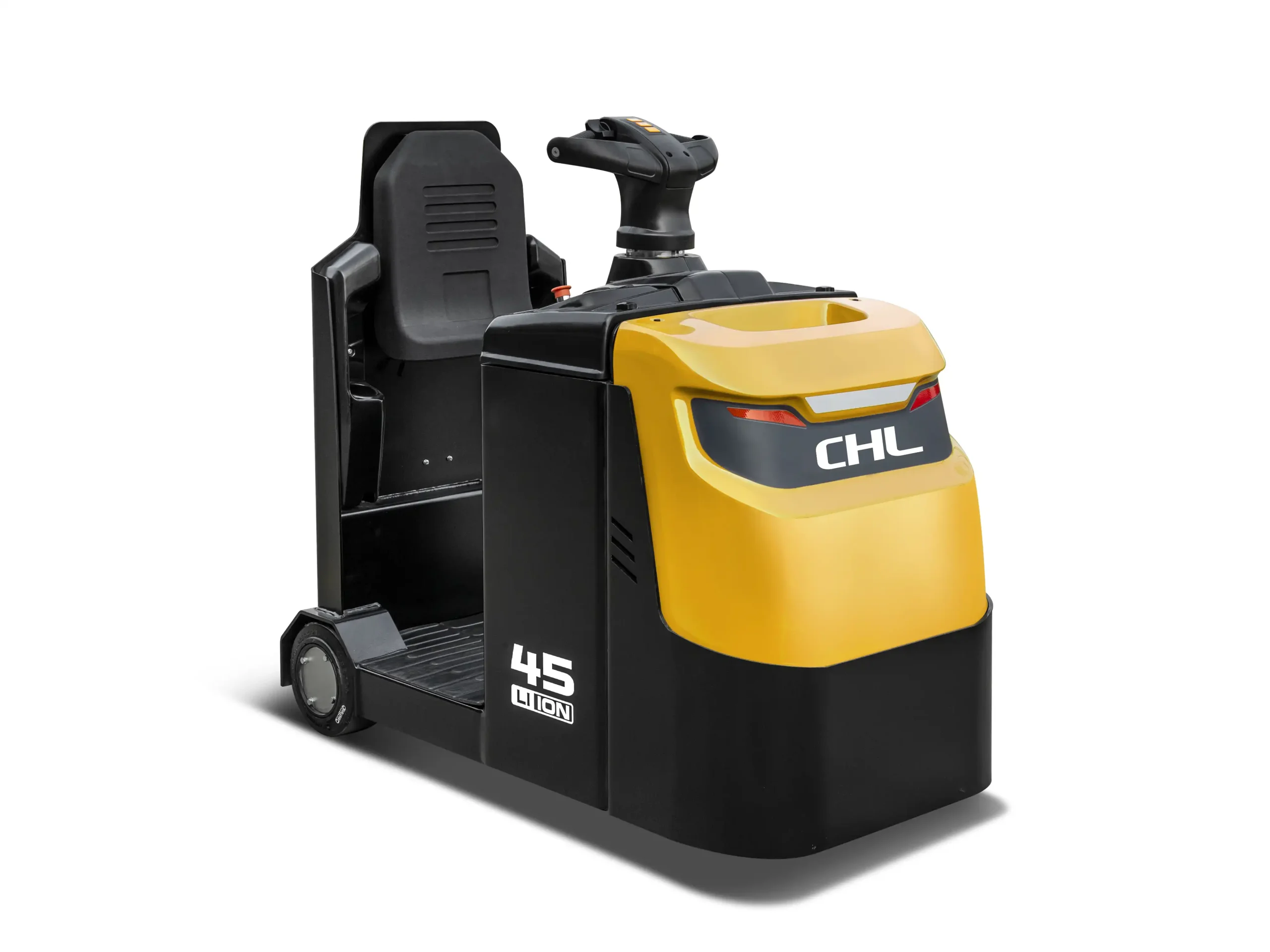
Five Major Advantages of Switching to Electric Forklifts in Warehouses
Release time: 2026-01-07
Table of Contents
As the warehousing and logistics industry moves towards high efficiency, low energy consumption, and green operations, more and more companies are upgrading their traditional internal combustion forklifts to electric forklifts. For modern warehouses, electric forklifts are not just an equipment choice but a long-term operational strategy. Here are five core advantages of switching to electric forklifts in warehouses.
Sustainable development
Electric forklifts are battery-powered, with zero exhaust emissions and low noise, making them ideal for enclosed or semi-enclosed warehouses. Compared to internal combustion forklifts, they effectively improve warehouse air quality, reduce the impact on employee health, and are easier to meet increasingly stringent environmental regulations.
Reduced costs
In the long run, electric forklifts have significant advantages in terms of energy and maintenance. Electricity costs are lower than fuel costs, and electric forklifts do not require the replacement of consumables such as engine oil and filters, resulting in lower failure rates and helping companies continuously reduce overall operating expenses.
Improved operational efficiency
Electric forklifts offer smooth acceleration and flexible steering, making them particularly suitable for high-density racking and narrow-aisle warehouse operations. Their simple operation also helps reduce training costs for new employees and improves overall operational efficiency.
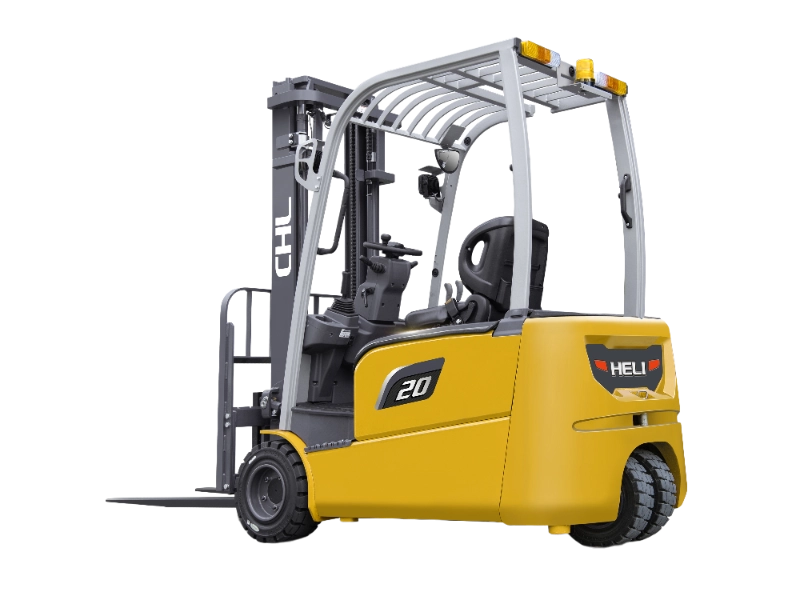
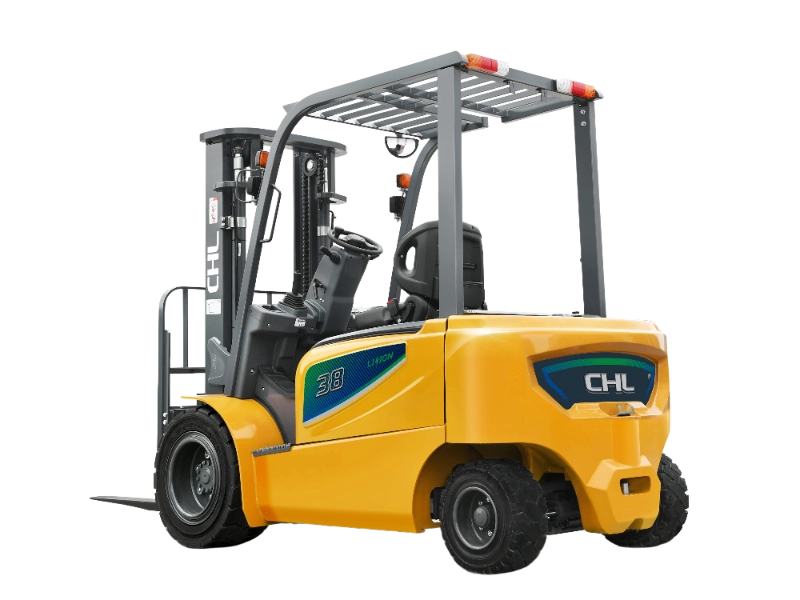
Simple maintenance
Electric forklifts have a relatively simple structure, with daily maintenance mainly focused on the battery, motor, and control system. They have longer maintenance cycles and more predictable maintenance schedules, effectively reducing unplanned downtime and ensuring the continuity of warehouse operations.
Modern warehouse intelligence
With the development of intelligent warehousing, electric forklifts have stronger compatibility with automation, information technology, and intelligent management systems, laying the foundation for future upgrades to automated guided vehicles (AGVs) or smart logistics systems.
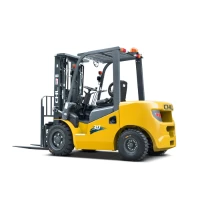
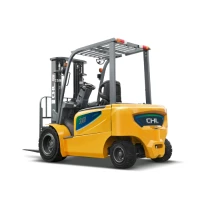
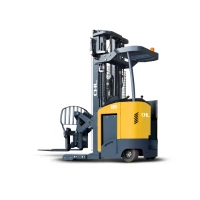
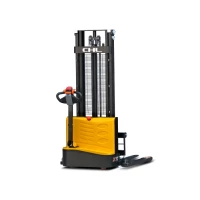
As a professional forklift and logistics equipment solutions provider, CHL offers a series of high-performance electric forklifts covering different load capacities and application scenarios, helping warehouse customers achieve both efficiency and cost optimization.
Visit the CHL website to learn more about electric forklift products and warehousing solutions.
CHL Electric Forklift Frequently Asked Questions
Q1: What types of warehouses are suitable for CHL electric forklifts?
Suitable for various indoor warehousing scenarios such as e-commerce warehouses, third-party logistics centers, manufacturing raw material warehouses, and finished goods warehouses.
Q2: What is the battery life of CHL electric forklifts?
They can be configured with lead-acid batteries or lithium batteries to meet the needs of single-shift or multi-shift continuous operation.
Q3: Can the electric forklift’s load capacity meet warehouse needs?
CHL offers a variety of load capacities, covering light-duty to heavy-duty applications, suitable for most warehousing and handling tasks.
Q4: Does CHL provide selection and after-sales support?
Yes, CHL provides a one-stop solution, from selection advice and technical support to after-sales service.
Q5: What is the lifespan of the electric forklift?
Under proper use and maintenance conditions, CHL electric forklifts can maintain stable operation for a long time, offering a good return on investment.

