

Electric Forklift Beginner’s Guide: Everything You Need to Know
Release time: 2025-12-15
Table of Contents
With the increasing demands for high efficiency, low emissions, and low operating costs in warehousing, logistics, and manufacturing, electric forklifts have become the preferred choice for more and more businesses. If you are considering purchasing or upgrading your forklift equipment, this guide will help you quickly understand the core knowledge of electric forklifts and make more informed decisions.
1. What is an electric forklift?
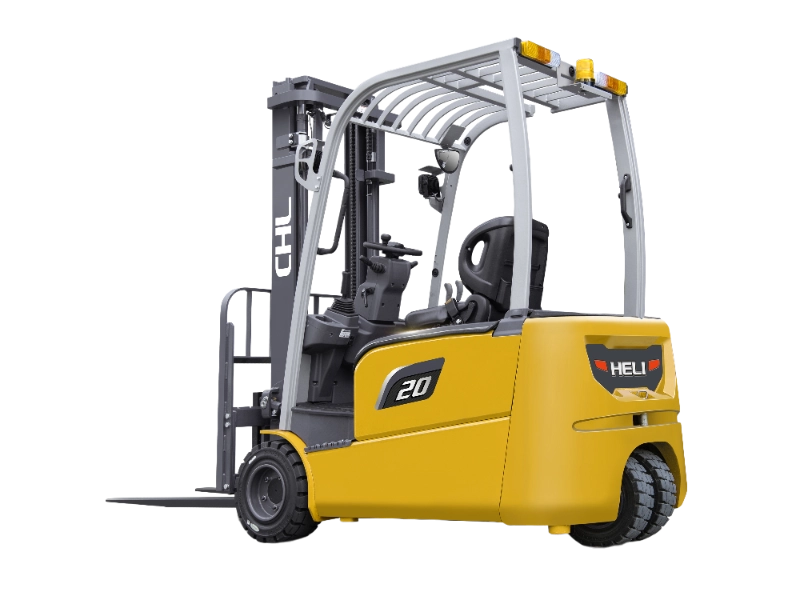
An electric forklift is battery-powered material handling equipment primarily used for loading, unloading, and short-distance transportation of goods in warehouses, factories, and logistics centers. Compared to traditional internal combustion forklifts, electric forklifts have no exhaust emissions, low noise, and smooth operation, making them ideal for indoor and environmentally sensitive work environments.
2. Main types of electric forklifts
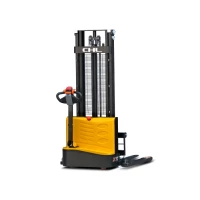
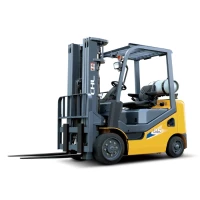
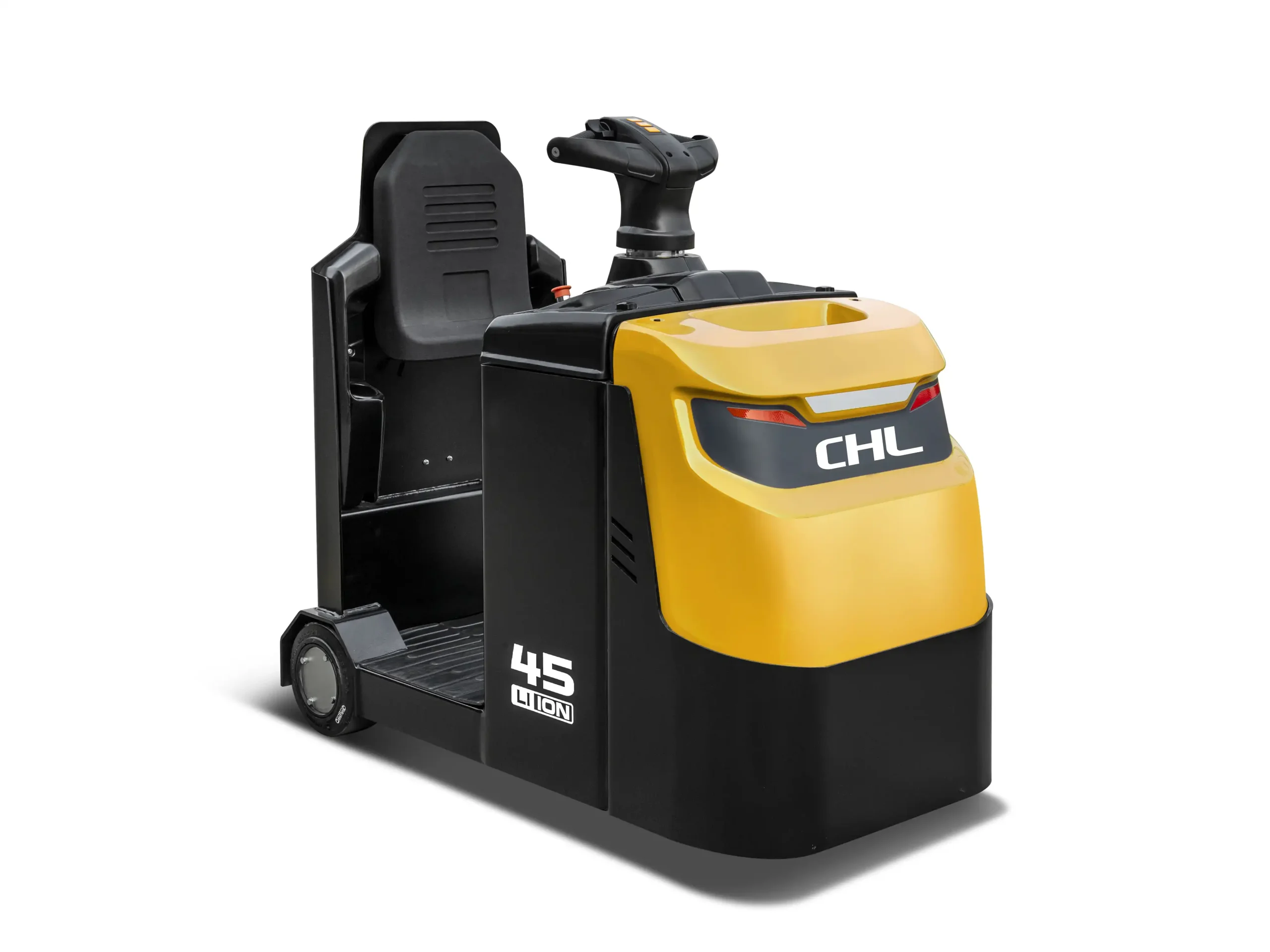
Based on different usage scenarios, electric forklifts can be divided into types such as electric counterbalance forklifts, electric reach trucks, and electric pallet trucks. Counterbalance forklifts are suitable for general warehousing and handling, reach trucks are suitable for high racks and narrow aisles, while pallet trucks are more suitable for short-distance, high-frequency operations. Choosing the right type is a crucial step in improving efficiency.

3. Battery types: Lead-acid or lithium-ion?
The battery is a core component of an electric forklift.
Lead-acid batteries: Lower initial purchase cost, suitable for single-shift operations or businesses with infrequent use.
Lithium-ion batteries: Faster charging speed, maintenance-free, longer lifespan, and support multi-shift continuous operation.
Businesses should choose based on their budget, workload, and long-term operational plans.
4. What factors should you consider when buying an electric forklift?
When selecting a model, you should focus on load capacity, lifting height, operating environment, aisle width, and frequency of use. In addition, safety features, operating comfort, and after-sales service should not be overlooked, as these factors will directly affect the long-term user experience and total cost of ownership.
5. Maintenance and usage tips for electric forklifts
Electric forklift maintenance is relatively simple, mainly including regular checks of the battery, motor, and electrical control system. Maintaining good charging habits can effectively extend the equipment’s lifespan. Furthermore, standardized operation and regular training help improve safety and operational efficiency.
As a professional provider of forklift and material handling solutions, CHL offers a wide range of electric forklift products covering different load capacities and application scenarios and provides professional technical support to help customers easily complete selections and upgrades. Welcome to the CHL official website! Learn more about our electric forklift products and industry solutions, and choose more efficient power solutions for your warehousing operations.