


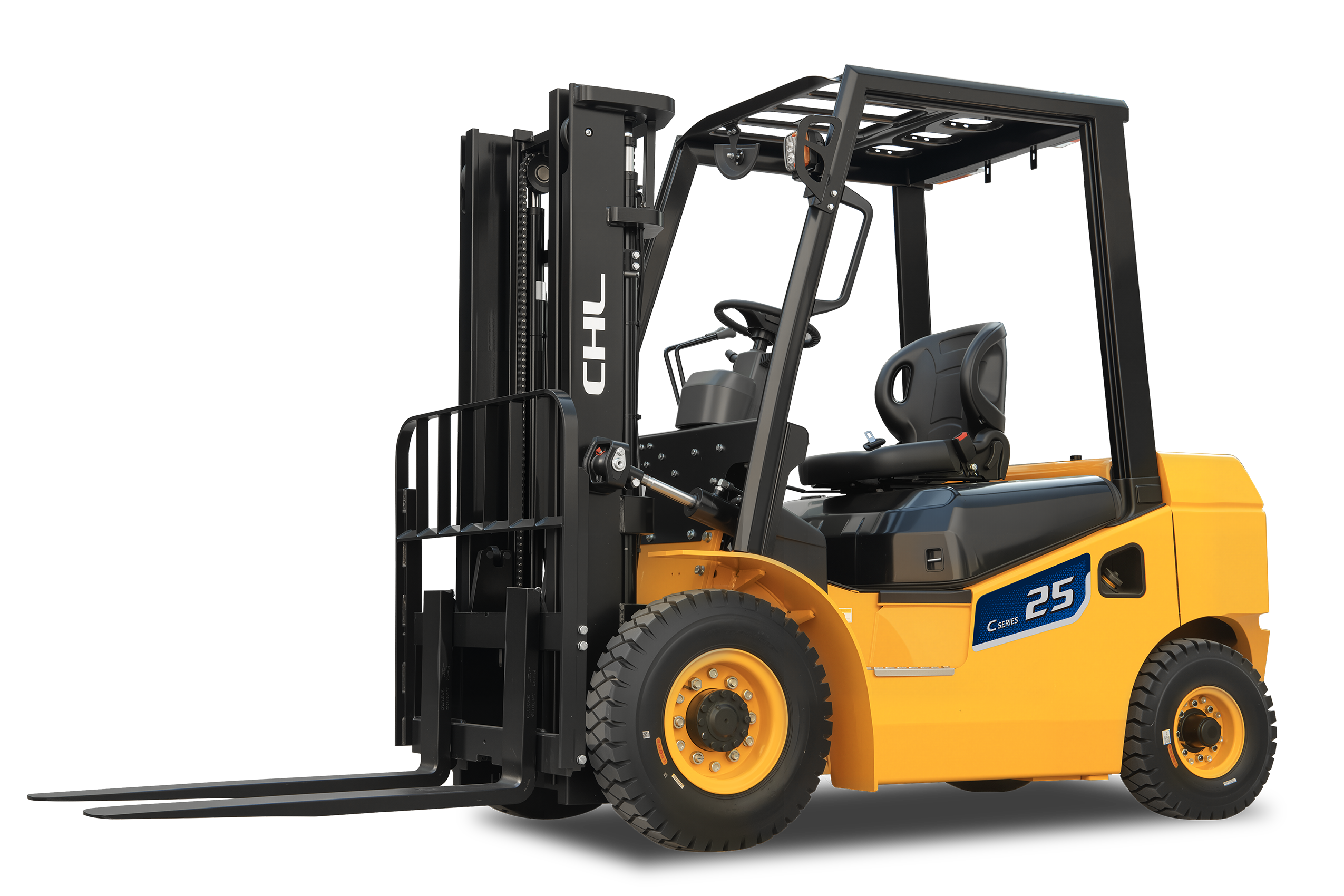
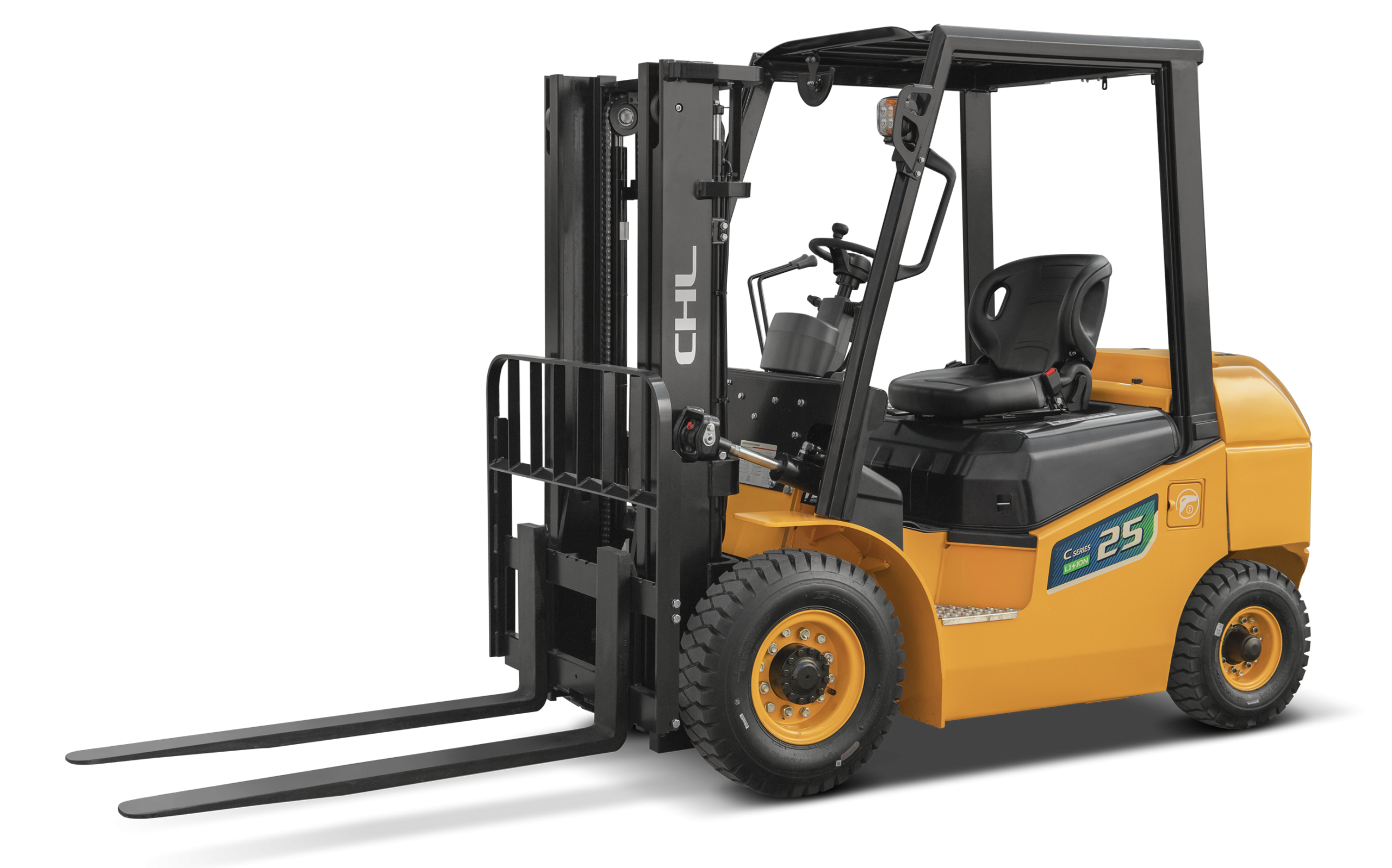
Why are internal combustion forklifts suitable for outdoor material handling?
Release time: 2026-08-22
For businesses handling steel, timber, building materials, machinery, or large palletized goods, outdoor material handling is often more complex than typical warehouse operations. Equipment not only faces heavy loads and high-frequency loading and unloading but may also need to operate continuously in larger work areas, different ground types, and environments with dust and temperature variations. Therefore, power performance, maneuverability, continuous operation capability, and equipment durability are key factors for overseas buyers when selecting forklifts. Internal combustion forklifts, with their mature power systems and strong heavy-duty capabilities, have long been used in outdoor scenarios such as ports, industrial yards, building material yards, and manufacturing enterprises. This article will analyze the main reasons why internal combustion forklifts are suitable for outdoor material handling based on actual working conditions and further introduce the key selection criteria for different application environments.
In these applications, internal combustion forklifts still have high market demand. Compared to electric forklifts, which are mainly designed for indoor warehousing environments, internal combustion forklifts have certain advantages in terms of power, range, outdoor adaptability, and heavy-duty operation. So, why are internal combustion forklifts particularly suitable for outdoor material handling? What aspects should overseas buyers consider when procuring forklifts?
1. Powerful Engine for Heavy-Duty Handling
One of the biggest advantages of internal combustion forklifts is their strong power output, especially diesel forklifts, which provide good low-speed torque under heavy loads.
Outdoor material handling typically involves steel, timber, stone, building materials, machinery, and large palletized goods. These goods are not only heavy but may also require frequent loading and unloading.
For these situations, forklifts need sufficient lifting capacity and driving power. Internal combustion engines can continuously power the drive and hydraulic systems, making them suitable for high-load, long-duration industrial handling tasks.
For overseas buyers, if the equipment is primarily used for heavy-duty material handling, the power system is often a key factor to consider during selection.
2. Better Adaptability to Complex Outdoor Ground Conditions
Indoor warehouses typically have flat concrete floors, while outdoor operating environments can be more complex.
Port yards, building material yards, lumber mills, and industrial parks may have asphalt, gravel, ramps, or even slightly uneven surfaces. Therefore, forklifts not only need to consider lifting capacity but also good maneuverability and stability.
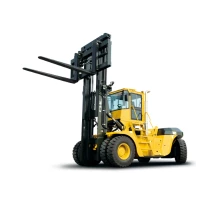
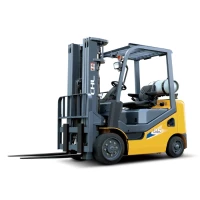
IC Forklift Truck typically feature robust frames and tire configurations suitable for industrial environments, with appropriate tire types selected based on different work sites.
It’s important to note that a standard internal combustion forklift is not the same as a rugged forklift. If the purchased equipment needs to operate on muddy, soft, or very rough terrain, specialized equipment such as a rough terrain forklift should be considered.
3. Suitable for Continuous Operations
Outdoor logistics and industrial production often have high demands for continuous operation.
For example, ports require continuous truck loading and unloading, building material companies need to constantly transfer goods from storage yards to transport vehicles, and manufacturing companies may need to handle raw materials and finished products around the clock.
Internal combustion forklifts use fuels such as diesel or LPG, and refueling time is usually short, making them suitable for work scenarios requiring high equipment utilization.
For companies with long daily operating hours, equipment downtime directly impacts overall logistics efficiency. Therefore, in addition to focusing on the forklift’s rated load, long-term operational indicators such as fuel consumption, operating hours, refueling time, and maintenance requirements also need to be considered.
4. Good adaptability to outdoor dusty environments
Some industrial sites have high levels of dust and particulate matter, such as sand and gravel pits, building material plants, wood processing plants, and recycling facilities.
These environments place higher demands on the equipment’s air filtration system, cooling system, and overall structural reliability.
Internal combustion forklifts have long been used in industrial material handling, and their structure and power systems can be configured for different working environments. For workplaces with high dust levels, companies still need to regularly inspect components such as air filters, cooling systems, hydraulic systems, and tires according to the manufacturer’s requirements.
Therefore, the equipment’s adaptability combined with reasonable maintenance cycles are crucial factors in ensuring the long-term reliable operation of outdoor forklifts.
5. Suitable for open environments such as ports and storage yards
Ports and logistics storage yards are typical application areas for internal combustion forklifts.
In these locations, forklifts typically need to frequently perform truck loading and unloading, pallet transfer, cargo stacking, and short-distance transportation. The work area is large, and the equipment needs to be constantly moved outdoors.
Diesel forklifts have better heavy-duty capabilities, while LPG forklifts offer another power option depending on the specific application requirements.
If a company’s main work area is located outdoors and needs to handle heavy goods, internal combustion forklifts are usually worth prioritizing.
6. Versatile Applications
The application of internal combustion forklifts is not limited to ports.
In the building materials industry, they can be used for handling bricks, steel, cement products, etc.
In the timber industry, they can be used for loading and unloading timber, boards, and palletized goods.
In the steel industry, they can be used for handling steel coils, profiles, and other heavy materials.
In manufacturing, they can handle the transfer of raw materials, parts, and finished products within the plant area.
In the logistics industry, they can be used for handling goods in outdoor loading and unloading areas, container yards, and distribution centers.
This broad applicability is a key reason why internal combustion forklifts continue to be in demand in the global industrial market.
7. How should overseas buyers choose internal combustion forklifts?
For overseas buyers, choosing an internal combustion forklift should not solely focus on price and rated load.
First, the actual maximum load weight and load center distance need to be determined. Second, the required lifting height and rack or vehicle loading/unloading height must be confirmed.
Simultaneously, the working ground conditions, daily working hours, annual operating hours, and equipment travel distance must also be considered.
If the equipment operates outdoors for extended periods, tire type, engine performance, cooling system, and protective features are particularly important.
Furthermore, fuel consumption, ease of maintenance, spare parts availability, and after-sales service capabilities should be comprehensively evaluated. For overseas customers, the supplier’s ability to provide long-term technical support and spare parts service is also a crucial factor affecting the actual operating cost of the equipment.
Outdoor material handling often places more demands on forklifts than just “lifting weight,” but more importantly, on their ability to maintain stable and efficient operation under real-world conditions over a long period. Therefore, when selecting an internal combustion forklift, factors such as rated load, lifting height, engine performance, tire configuration, ground conditions, workload, and future maintenance should be comprehensively considered. CHL Forklift has long focused on the material handling needs of various industrial and logistics scenarios. It can match equipment to the type of goods, operating environment, and usage intensity of customers, providing more targeted forklift solutions for industries such as ports, manufacturing, building materials, timber, and logistics warehousing. Through the rational combination of product configuration and actual working conditions, CHL Forklift is committed to helping overseas customers obtain material handling equipment that balances operational efficiency, equipment reliability, and long-term operating costs.

