

What You Need to Know Before Buying a Narrow Aisle Forklift?
Release time: 2026-01-31
In modern logistics and warehouse management, narrow aisle forklifts are highly favored for their flexibility and efficiency. However, understanding the relevant information before purchasing is crucial. Different types of narrow aisle forklifts are suitable for various application scenarios, and choosing the right equipment can not only improve space utilization but also ensure safety and operational efficiency. This article will delve into the key factors to consider before buying a narrow aisle forklift to help businesses make informed decisions.
I. Types of Narrow Aisle Forklifts
On the market, narrow aisle lift trucks are mainly divided into several types, each with its specific application scenarios and advantages. Understanding these types can help businesses make more informed purchasing decisions.
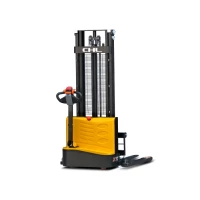
Electric Stacker Forklifts: These forklifts are typically used for high-rack storage, possessing strong lifting capabilities and suitable for operation in multi-tiered racking systems. Electric stacker forklifts are easy to operate and have low noise levels, making them suitable for environments with strict environmental requirements.
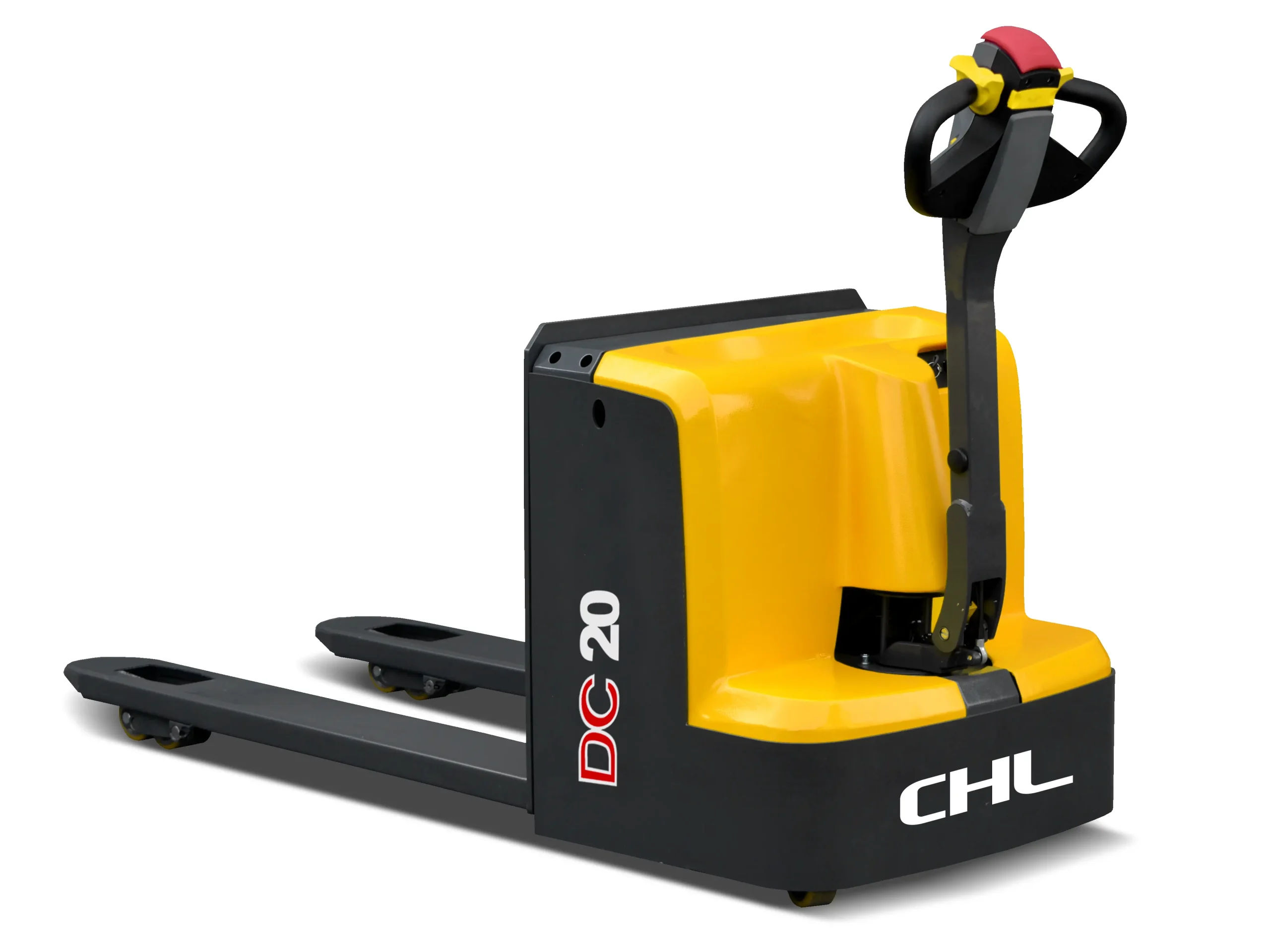
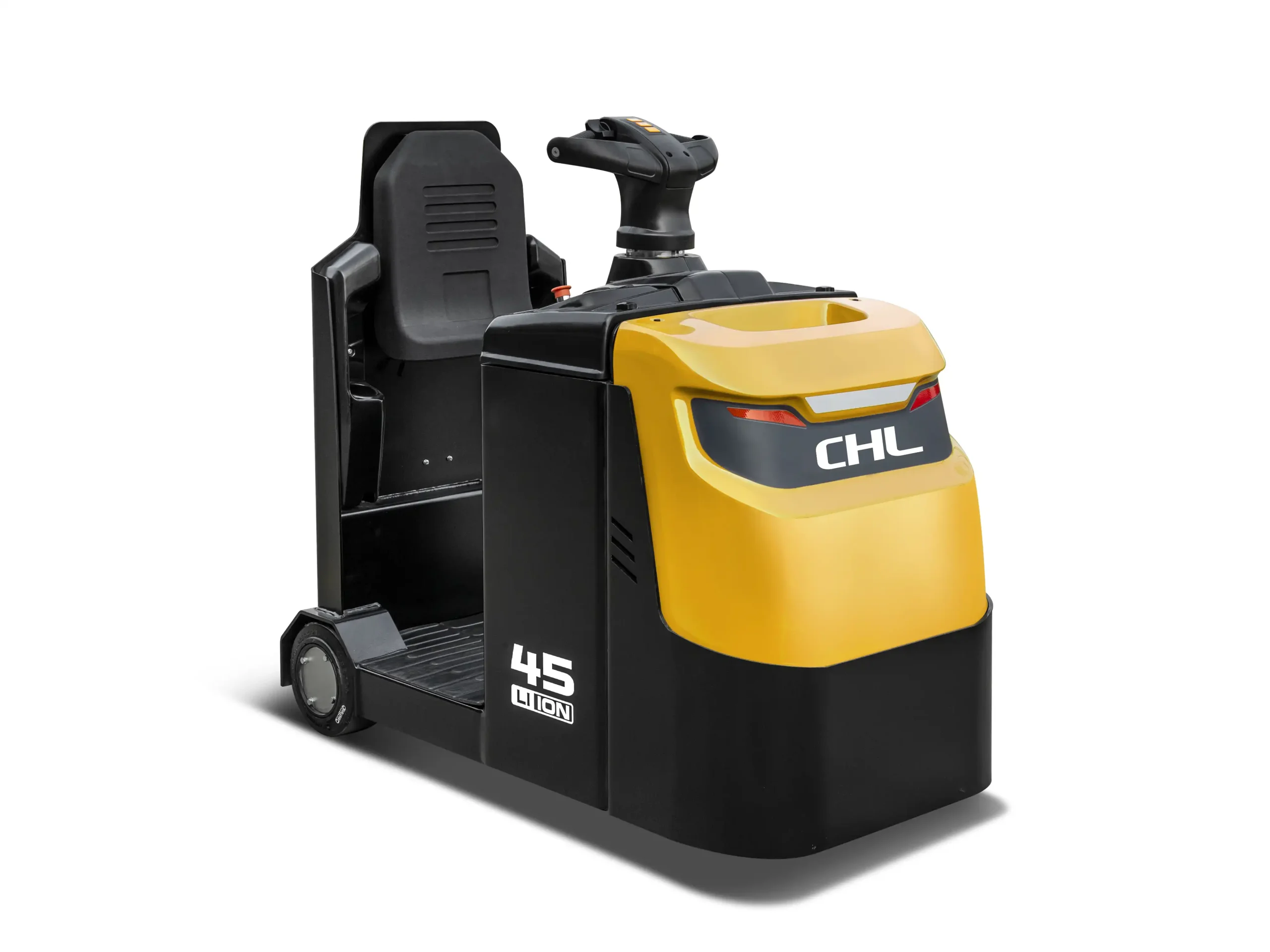
Horizontal Transport Forklifts: These forklifts are designed for horizontal transportation of goods, suitable for short-distance handling in narrow aisles. They usually have a small turning radius, allowing for flexible operation in confined spaces.
Shuttle Forklifts: Shuttle forklifts are automated equipment suitable for high-density storage in large warehouses. They can move between racks and automatically store and retrieve goods, greatly improving work efficiency.
Double-Deep Forklifts: These forkllifts are designed for operation in deep storage areas, capable of handling two items simultaneously, further improving space utilization.
II. Key Factors to Consider for Narrow Aisle Forklifts
When choosing a narrow reach forklift, businesses need to consider the following key factors:
Warehouse Layout: First, evaluating the warehouse layout and storage needs is crucial. Understanding the aisle width, height, and racking configuration can help determine which type of narrow aisle forklift to purchase. The narrower the aisle, the smaller the turning radius of the forklift needs to be to operate efficiently in the limited space.
Load Capacity: Different forklifts have different load capacities. Choosing the right forklift depends on the actual weight and volume of the goods being handled. Ensure that the rated load capacity of the selected forklift meets the needs of daily operations to avoid safety hazards caused by improper operation. Operating Environment: Factors such as the operating environment, including floor type (e.g., concrete, wood flooring), temperature, and humidity, also influence forklift selection. For example, some forklifts may not be suitable for use in wet or low-temperature environments.
Technical Configuration: Modern narrow-aisle forklifts are equipped with various advanced technologies, such as laser navigation, autonomous driving, and intelligent control systems. These technologies not only improve operational safety and efficiency but also reduce human error. When purchasing, companies should choose the appropriate configuration based on their technological capabilities and budget.
Maintenance and Service: Understanding the after-sales service and maintenance support provided by the supplier is also essential. Good after-sales service can reduce downtime losses caused by equipment failures, making the selection of a reliable supplier crucial.
Budget and Cost-Effectiveness: Finally, clearly defining the budget and evaluating the cost-effectiveness of each model is very important. When choosing, it’s crucial to consider not only the price of the equipment but also its long-term operating costs and maintenance expenses, making a decision after a comprehensive evaluation.
Purchasing a narrow-aisle forklift is a significant investment that requires a thorough understanding of key factors such as forklift type, load capacity, operating environment, and technical configuration. By systematically evaluating these factors, companies can choose the forklift that best suits their needs, thereby improving overall warehouse operational efficiency and economic benefits. We hope this article provides valuable insights for your purchasing decision.