

How to Choose Internal Combustion Forklifts of Different Tonnages?
Release time: 2026-03-20
Table of Contents
When purchasing IC Forklift Truck, tonnage is one of the most critical and easily misjudged parameters. Choosing too small a forklift will lead to long-term overloading, compromising safety and lifespan; choosing too large a forklift will result in wasted purchase and operating costs. Therefore, before purchasing, companies must conduct a systematic analysis of their own operating conditions, comprehensively determining the appropriate tonnage range from multiple dimensions such as cargo weight, lifting height, operating environment, and cost budget, rather than simply adhering to the principle of “better too big than too small.”
What are some common choices for internal combustion forklifts of different tonnages?
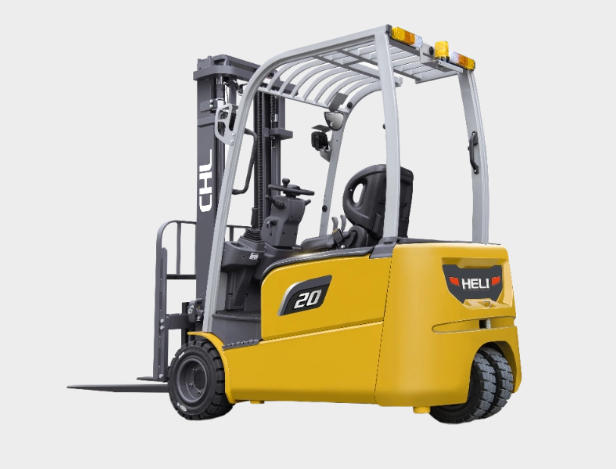
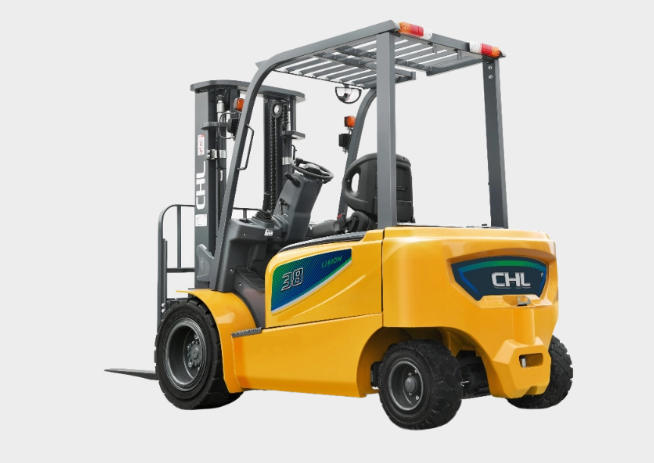
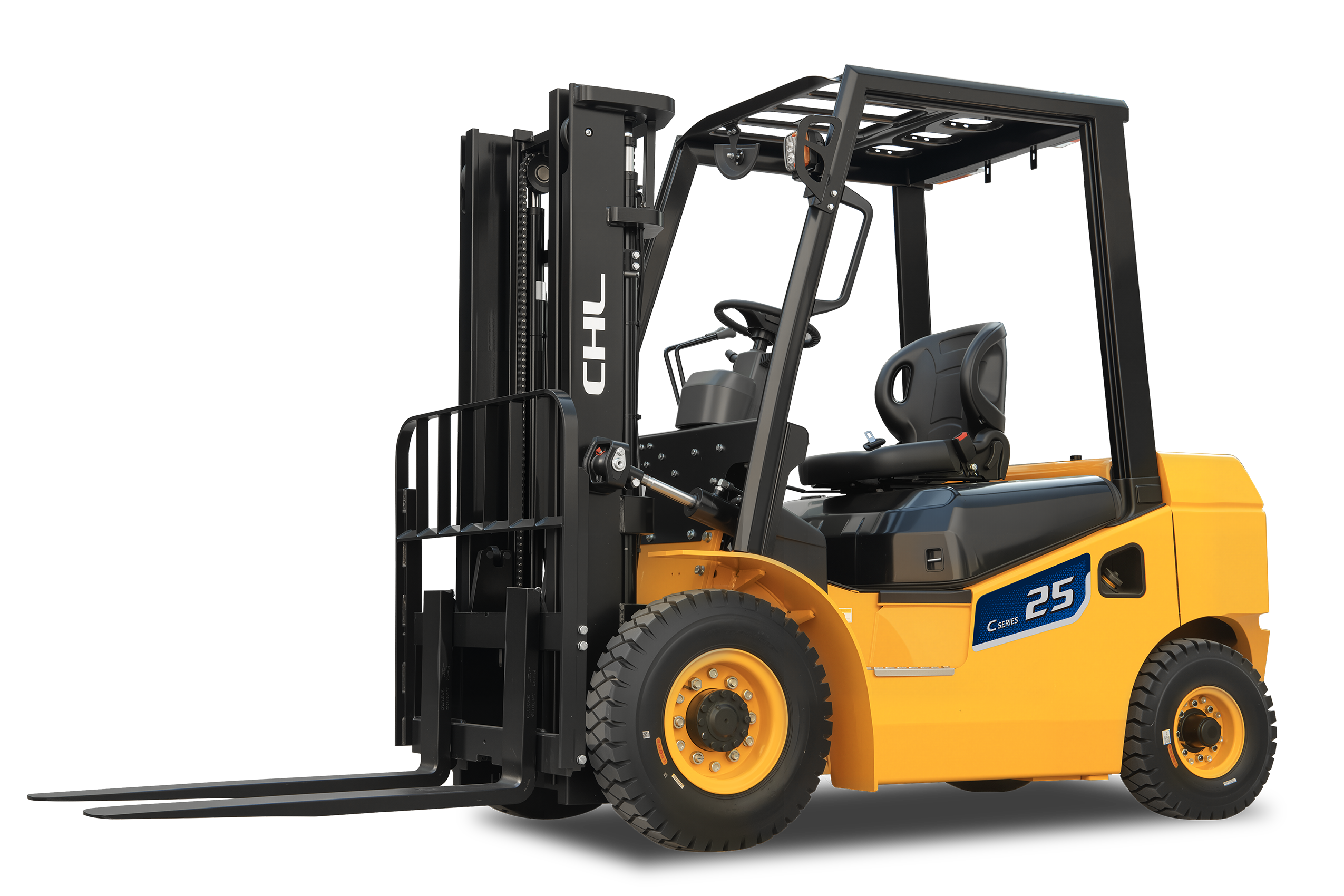
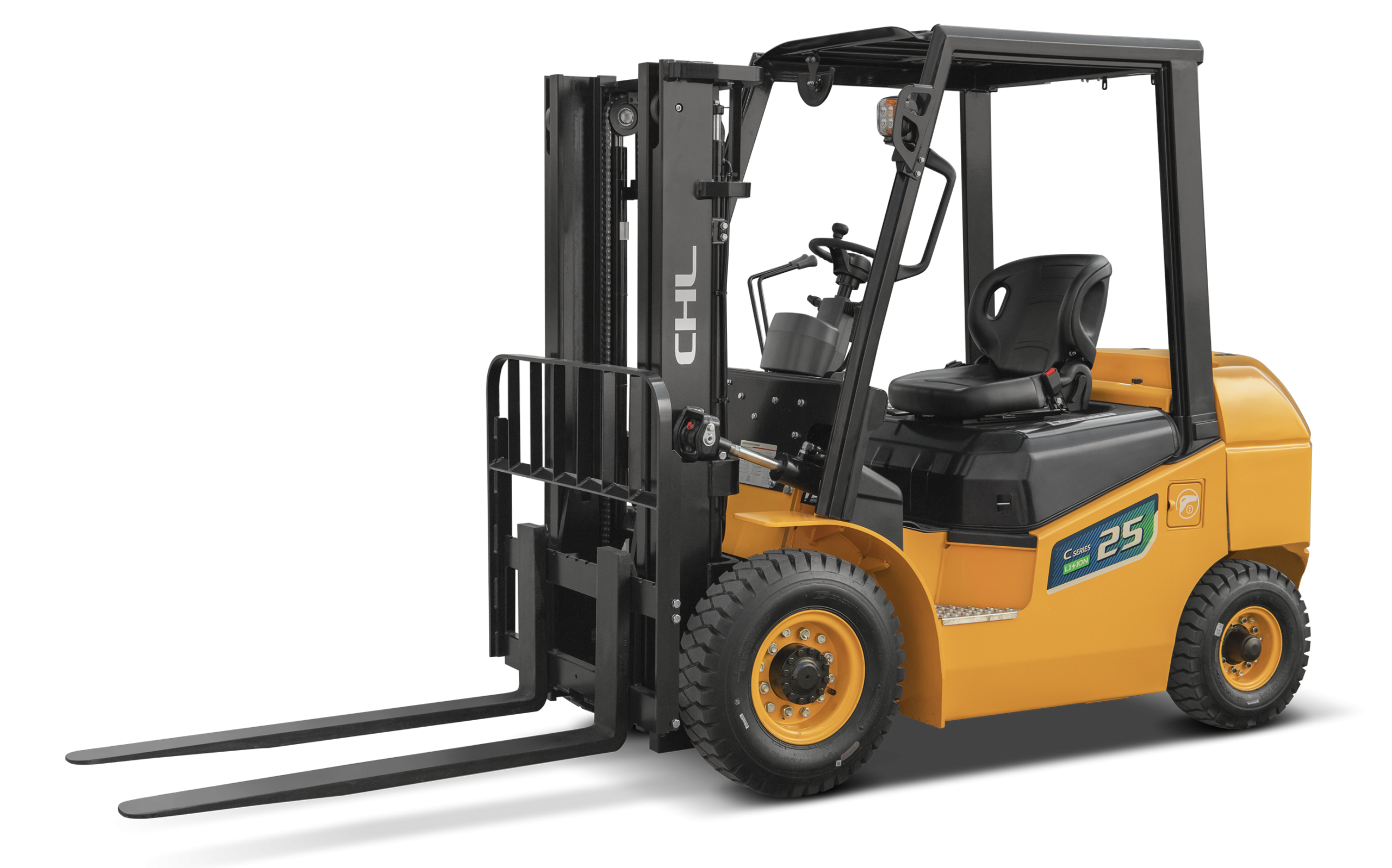
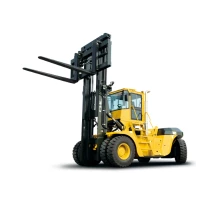
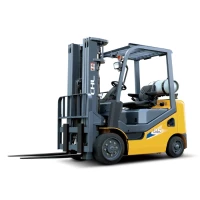
Generally, the common tonnage of internal combustion forklifts can be roughly divided into several ranges: 1.5–3 tons are mainly suitable for handling standard palletized goods in general warehousing, logistics parks, and home appliance and building material industries; 3–5 tons are mostly used for loading and unloading medium-weight goods such as steel, stone, and machinery; and over 5 tons are more suitable for ports, docks, large construction sites, and heavy industry. It’s important to note that larger tonnage is not always better; it should match the structure of the company’s daily cargo. Many small and medium-sized enterprises (SMEs) use goods weighing less than 2 tons year-round, but purchase oversized forklifts because of occasional heavy loads, resulting in bulky equipment, limited space, high fuel costs, and decreased overall efficiency.
How much tonnage should you choose based on cargo weight and lifting height?
When choosing the tonnage of an internal combustion forklift, you first need to understand three figures: the average weight of daily cargo, the maximum weight, and the peak weight that may occur in the future. It is generally recommended to leave a 10%–20% safety margin based on the maximum cargo weight to prevent premature aging of the equipment due to long-term “full load” operation. At the same time, it’s crucial to pay close attention to the impact of lifting height on the rated load. The tonnage indicated on the forklift’s nameplate is typically measured at the standard load center distance and standard lifting height. When the lifting height increases, the forks extend forward, and the center of gravity shifts outward, the actual permissible safe load will significantly decrease. If a company needs to operate on high-bay racks, such as 5 meters, 6 meters, or even higher, it should choose a model with a higher rated lifting height and better mast stability within the same tonnage range, and adjust the tonnage appropriately if necessary to ensure sufficient safety margin during high-bay operations.
Does the operating environment and aisle conditions affect tonnage selection?
The operating environment has a direct impact on tonnage selection, which is often easily overlooked. In indoor warehouses with narrow aisles and dense racking, large-tonnage forklifts, due to their wide body, long wheelbase, and large turning radius, will find driving and turning very difficult, increasing the risk of scrapes and accidents. Conversely, if the main operation is outdoors, with uneven ground, ramps, loading/unloading platforms, or container handling conditions, a forklift with too small a tonnage may be insufficient in terms of power, maneuverability, and stability. Before purchasing, companies should ideally measure the width of the main warehouse aisles, intersections, and loading/unloading areas, and then consider the stacking height and frequency of entry and exit to initially eliminate obviously unsuitable tonnage and vehicle size ranges, ensuring the forklift can “enter, maneuver, and stand stably.”
How to find a balance between purchase cost and operating cost?
Larger tonnage means higher overall manufacturing costs, and the purchase price, fuel consumption, tires, and wear parts costs usually increase accordingly. In the short term, a large-tonnage forklift gives the impression of “one forklift doing the work of many,” but if it spends a lot of time in a “lightly loaded, idle” state, the actual unit cost of handling goods is not cost-effective. A smaller tonnage forklift is prone to frequent overloading, repetitive handling, and increased equipment failure rates, leading to increased downtime and maintenance costs. A more prudent approach is to first assess the maximum and most common operating conditions based on historical business data and growth expectations for the next 1-3 years. Then, compare two adjacent tonnage ranges, such as 2.5 tons versus 3 tons, or 3 tons versus 3.5 tons. Consider the purchase budget, usage frequency, fuel costs, and maintenance conditions to choose the range with the best overall cost and that best meets actual needs.
In summary, rationally selecting different tonnage internal combustion forklifts is a systematic process requiring data support and on-site research, not a decision made on a whim. Only when the tonnage truly matches the goods, environment, efficiency, and cost can the forklift deliver stable and efficient value in the company’s production operations. CHL Forklift is willing to provide professional selection advice based on your specific operating conditions, working with you to find the most suitable internal combustion forklift tonnage solution.