

Everything You Need to Know About Electric Pallet Trucks
Release time: 2026-08-10
Table of Contents
As warehouses, distribution centers, manufacturing facilities, and logistics operations continue to pursue higher efficiency, electric pallet trucks have become an increasingly important material handling solution. Compared with traditional manual pallet trucks, electric models use battery power to drive and lift loads, reducing operator effort and improving handling efficiency.
But what exactly is an electric pallet truck? How does it work? What are its advantages, and how should businesses choose the right model?
This guide covers the essential information you need to know about electric pallet trucks, from their basic structure and applications to battery selection, capacity, maintenance, and purchasing considerations.
What Is an Electric Pallet Truck?
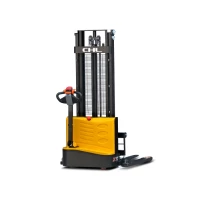
An electric pallet truck,, is a battery-powered material handling vehicle designed to move palletized goods over short and medium distances.
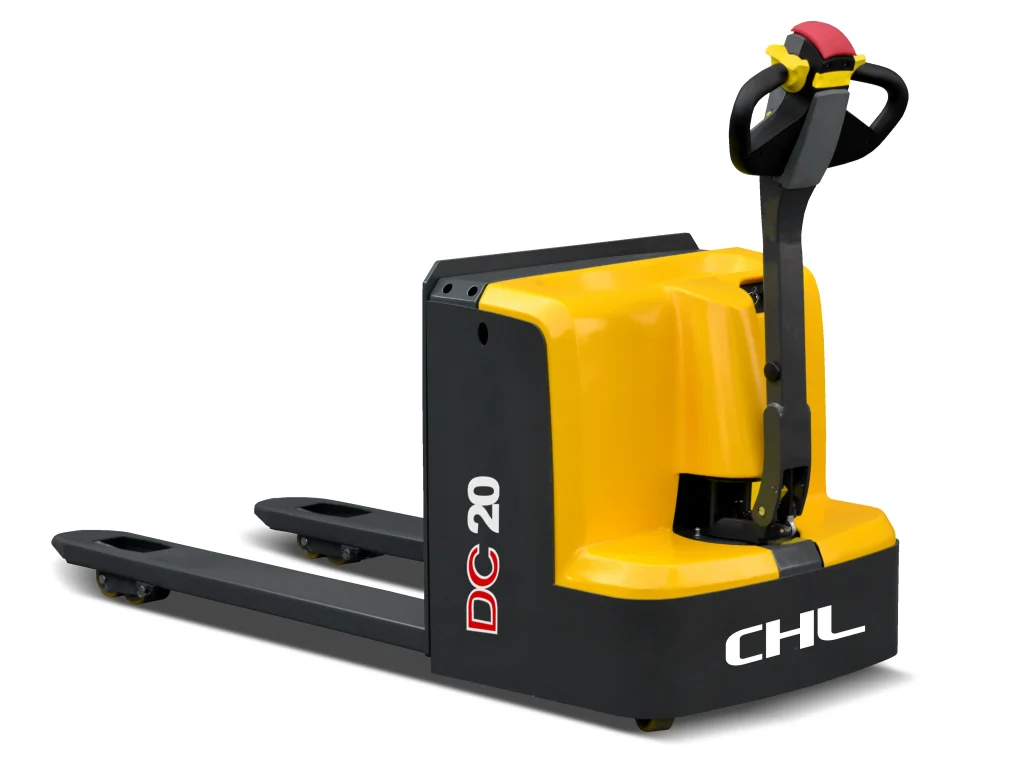
Unlike a manual pallet truck, which requires the operator to push or pull the load and manually operate the hydraulic pump, an electric pallet truck uses an electric drive system to move the truck and an electrically powered hydraulic system to lift the forks.
Therefore, for warehousing and logistics scenarios that require frequent pallet handling, processing of heavy goods, or long-distance transportation, electric pallet jacks can effectively reduce manual labor intensity while improving overall material handling efficiency, making them generally more suitable.
How Does an Electric Pallet Truck Work?
The basic operating principle of an electric pallet truck is relatively simple. A rechargeable battery supplies power to the drive motor and lifting system.
The main components typically include a battery, electric drive motor, hydraulic lifting system, forks, control handle, wheels, controller, and braking system.
When the operator activates the travel control on the handle, the electric motor drives the wheels and moves the truck forward or backward. When the lifting function is activated, the hydraulic system raises the forks so that the pallet can be lifted from the floor.
Modern electric pallet trucks may also incorporate features such as electric steering, electromagnetic braking, speed control, battery indicators, and emergency stop systems.
Understanding these basic components is important because the performance of an electric pallet truck depends not only on its rated capacity but also on the quality of its drive system, battery, hydraulic components, and control system.
What Are the Main Types of Electric Pallet Trucks?
Electric pallet trucks can be classified according to their operating configuration and intended application.
Walkie Electric Pallet Trucks
Walkie electric pallet trucks are operated from the ground using a control handle. They are compact, easy to maneuver, and suitable for warehouses, loading docks, production lines, and other areas where operators frequently walk alongside the equipment.
They are a practical replacement for manual pallet trucks when the operation involves frequent pallet movement.
Walkie Pallet Truck with Folding Standing Platform
Platform models include a standing platform for the operator. They are generally suitable for longer travel distances and higher-frequency material handling applications.
The platform allows the operator to travel with the truck rather than walking behind it, which can improve productivity in larger warehouses and distribution centers.
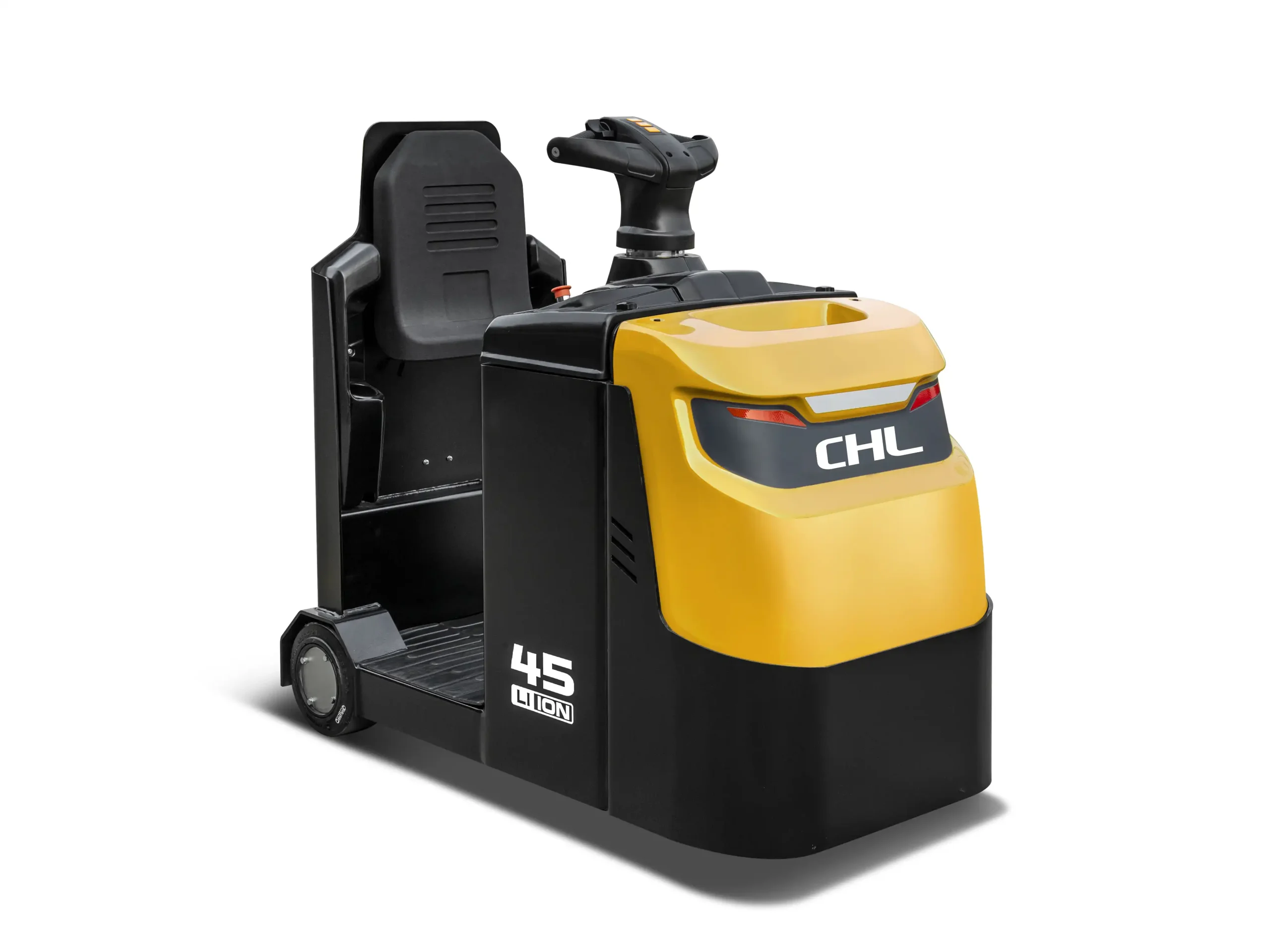
Rider‑Controlled Electric Pallet Trucks
Rider‑controlled pallet trucks are designed for operations involving frequent transportation of heavy loads over relatively long distances. They provide greater operator convenience and can be suitable for demanding warehouse and distribution applications.
The appropriate configuration depends on factors such as travel distance, load weight, operating frequency, and available warehouse space.
What Are the Benefits of an Electric Pallet Truck?
The popularity of electric pallet trucks is largely driven by their combination of productivity, ergonomics, and operating efficiency.
Reduced Operator Effort
Moving a heavily loaded pallet manually can require considerable physical effort, especially when pallets need to be transported repeatedly throughout a shift.
An electric pallet truck uses motorized travel and lifting functions, significantly reducing the amount of pushing, pulling, and pumping required from the operator.
Higher Handling Efficiency
Electric drive systems allow operators to move pallets more consistently than manual equipment. This can be particularly valuable in high-frequency warehouse operations where pallets are moved dozens or hundreds of times per day.
Better Ergonomics
Reducing manual handling can help lower operator fatigue. This is especially important for businesses where employees spend a large portion of their working day transporting palletized goods.
Low Noise and Zero Tailpipe Emissions
Because electric pallet trucks are battery powered, they produce no direct exhaust emissions during operation and generally operate more quietly than internal combustion equipment.
This makes them particularly suitable for indoor warehouses and other environments where noise and air quality are important considerations. CHL also positions electric material handling equipment as a key solution for indoor and environmentally sensitive applications.
Compact and Maneuverable
Electric pallet trucks generally have a compact design and can operate effectively in warehouse aisles, staging areas, loading zones, and other space-constrained environments.
Their maneuverability makes them particularly useful when pallets need to be moved between storage locations, production areas, and loading docks.
Electric Pallet Truck vs. Manual Pallet Truck
One of the most common questions is whether a business should continue using manual pallet trucks or upgrade to electric equipment.
The answer depends primarily on workload.
Manual pallet trucks can be a cost-effective choice for occasional pallet movement over short distances. However, as the frequency, load weight, or transportation distance increases, the physical effort required from operators also increases.
An electric pallet truck becomes more attractive when:
- Pallets are moved frequently throughout the day.
- Loads are relatively heavy.
- Transportation distances are longer.
- Operator fatigue is becoming an issue.
- Warehouse productivity needs to improve.
- The business wants to reduce manual handling.
Therefore, the decision should not be based solely on the initial equipment price. Businesses should consider productivity, labor requirements, operating frequency, maintenance, and the total cost of ownership.
How to Choose the Right Electric Pallet Truck?
Choosing an electric pallet truck should start with the actual working conditions rather than simply selecting the model with the highest specifications.
1. Check the Required Load Capacity
Load capacity is one of the most important specifications.
Businesses should identify the maximum pallet weight they regularly handle and select a truck with an appropriate rated capacity. CHL currently offers 2–3 ton electric pallet trucks, providing options for different warehouse handling requirements.
It is important not to select equipment based only on the average load. Occasional heavier loads should also be considered when determining the appropriate capacity.
2. Consider Fork Dimensions
Fork length and width should match the pallets used in your facility.
For example, businesses handling standard pallets may require different fork dimensions from operations using customized pallets or different pallet standards.
Incorrect fork dimensions can affect load stability and handling efficiency, so pallet compatibility should be confirmed before purchasing.
3. Evaluate Battery Type
Battery technology has a direct impact on operating time, charging requirements, maintenance, and total operating cost.
Lead‑acid batteries have traditionally been widely used because of their relatively low initial cost. Lithium‑ion batteries, on the other hand, offer advantages such as faster charging and low‑maintenance requirements and fit well for frequent‑operation scenarios. Both battery types have their applicable working conditions.
The best battery choice depends on the number of shifts, daily operating hours, charging infrastructure, and budget.
4. Consider Warehouse Conditions
Before choosing an electric pallet truck, evaluate the actual operating environment.
Important factors include:
- Aisle width
- Floor condition
- Ramp or slope requirements
- Loading dock conditions
- Travel distance
- Indoor or outdoor operation
- Temperature and environmental conditions
A compact model may be more suitable for narrow warehouse areas, while a more powerful configuration may be required for demanding loading and transportation applications.
5. Check Ergonomics and Safety Features
Operator safety and comfort should also be considered during equipment selection.
Depending on the model, important features may include emergency stop controls, braking systems, speed control, anti-slip wheels, ergonomic handles, and visibility improvements.
For operations involving frequent use, comfortable controls and easy maneuverability can also contribute to productivity.
Electric Pallet Truck Maintenance
Although electric pallet trucks generally require less mechanical maintenance than internal combustion equipment, regular inspection is still essential.
Operators should routinely check the battery, forks, wheels, brakes, hydraulic system, control handle, and electrical connections.
The battery should be charged according to the manufacturer’s recommendations, while damaged cables, abnormal noises, hydraulic leaks, or unusual driving behavior should be inspected promptly.
Regular maintenance can help prevent unexpected downtime and extend the service life of the equipment.
For businesses operating multiple electric pallet trucks, establishing a preventive maintenance schedule is particularly important.
Where Are Electric Pallet Trucks Commonly Used?
Electric pallet trucks are highly versatile and can be adapted to various material handling scenarios.
In warehouses, they are commonly used to move pallets between storage locations, picking areas, and staging zones.
In distribution centers, they can support high-frequency pallet transportation and loading operations.
In manufacturing plants, electric pallet trucks can move raw materials, components, semi-finished products, and finished goods between production areas.
They are also widely applicable to retail distribution, food and beverage logistics, e-commerce warehouses, and third-party logistics operations.
The key is to select a configuration that matches the actual handling requirements rather than assuming one pallet truck design is suitable for every application.
Why Choose CHL Electric Pallet Trucks?
For companies looking for reliable material handling equipment, choosing an experienced manufacturer is just as important as selecting the correct specifications.
CHL offers a range of warehouse equipment, including 2–3 ton electric pallet trucks, electric stackers, and other material handling solutions. Its electric pallet truck features include a vertical AC drive system, EPS steering, lifting limitation, and a side-pull battery design for easier battery replacement.
CHL is part of Anhui Forklift Group and has developed its global CHL brand since 2011. The company currently operates eight overseas subsidiaries and one overseas R&D center, supporting customers and dealers in international markets.
For businesses purchasing equipment for long-term warehouse operations, factors such as product reliability, spare parts availability, technical support, and after-sales service should be evaluated alongside the equipment specifications.
Conclusion
Electric pallet trucks are not merely electric upgrades to manual pallet trucks; they have become essential material handling equipment in modern warehousing and logistics.
Compared to traditional manual pallet trucks, electric pallet trucks reduce manual labor intensity, improve handling efficiency, and meet the high-frequency, continuous operational demands of modern warehouses.
However, choosing the right electric pallet truck involves more than just considering rated load capacity or purchase price. Companies need to comprehensively consider factors such as cargo weight, handling distance, operating frequency, warehouse space, battery type, and operating environment, while also paying attention to equipment reliability, maintenance costs, and after-sales support.